



Top 4 Creative Financing Ideas For Funding Your Next Property Deal
Not sure how to fund your next property deal? We explain popular creative funding strategies

A common misconception about property investment is that you can only make a sizable profit if you invest all your hard-earned savings.
Table of Contents
ToggleBut creative financing flips that idea on its head. It introduces other funding methods when regular mortgages or capital investment don’t fit into your plan. This post goes through four popular creative funding strategies you may want to consider for property investment.
From vendor finance to bridging finance and more, you’ll find a funding arrangement that matches your vision.
In a vendor financing agreement, the property’s seller helps the buyer by lending them the deposit money. In other scenarios, the seller offers flexible payment options, like receiving the deposit upfront, then the rest of the purchase price in instalments over an agreed-upon period.
The seller might sometimes set an interest rate.
In private or angel funding, you approach high-net-worth individual investors to give you capital for your business project, as a deposit or a way to cover refurbishments.
Private funding has many deal structures. One of them is fixed-return loans, where the buyer pays a fixed interest rate (typically 6%–10% per annum), secured by a legal charge or personal guarantee.
Another is profit sharing or joint ventures: the investor provides the purchase funds, getting an agreed split of the end profit or equity upon sale in return.
Leasing is a good way to secure and control a property without the need to own it right away. In such agreements, you lease the property for a set amount of time (3, 4, or 5 years), then you have the opportunity (not an obligation) to buy it at an agreed-upon price within that duration.
As a short-term solution to close financial gaps before securing long-term funding or selling an asset, bridging loans can be a sound strategy.
Secured bridging loans usually last 1–12 months (sometimes up to 24 months), and they’re arranged via specialist lenders instead of high-street banks.
This type of loan can be helpful in auction purchases, where you need to quickly secure a property before getting the chance to refinance later on. It also works for refurbishing a property to increase its value, then shifting to a long-term mortgage.
If creative financing is calling out to you, you need to arm yourself with the right training before you try any of the strategies mentioned above. At Assets for Life, we’re ready to help you confidently make your way through the UK’s volatile property market.
Sign up for one of our courses, webinars, or bootcamps today, and get advice that aligns with your business goals!
No. While experienced investors have more knowledge to attempt creative finance with minimal error, a beginner can also use this strategy to their advantage. However, they must have proper training and guidance before trying any creative financing methods.
Besides being a great alternative to conventional property investment funding methods, creative financing has the following upsides:
Creative financing can be a practical option for:
You May Also Be Interested In...
Top 4 Creative Financing Ideas For Funding Your Next Property Deal
Not sure how to fund your next property deal? We explain popular creative funding strategies

How To Start An Airbnb Business: Complete A to Z Guide For Beginners
Learn how to start an Airbnb business in the UK, from setup costs and legal

Vendor Finance: What Is It and How Could It Help You Buy Property in the UK?
High mortgage rates, cautious lenders and slow buy-to-let underwriting are stalling deals. So, how are
Featured Property Investment Events & Courses
The Property Flipping Summit
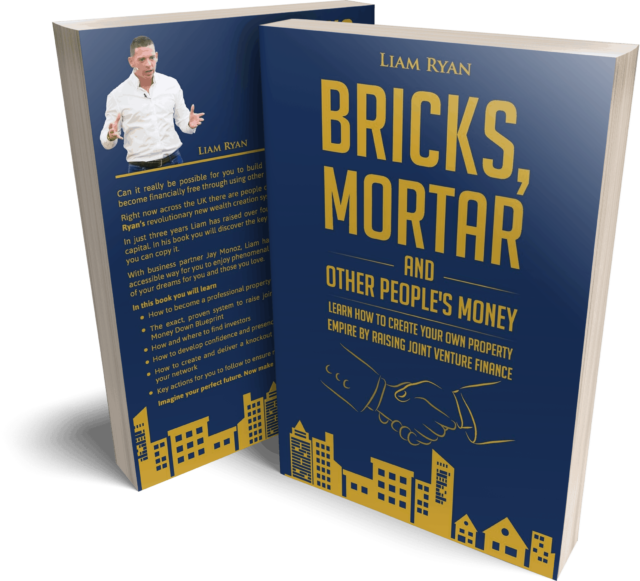
Claim Your Free Copy
Assets For Life LTD is a company incorporated in England and Wales with registered number 09935286 and registered offices at Assets for Life Ltd, Suite 105, Waterhouse Business Centre, 2 Cromar Way, Chelmsford, Essex, England, CM1 2QE, United Kingdom.
Assets For Life LTD is registered with the Information Commissioner’s Office, with registration number ZA280607
COPYRIGHT © 2026 ASSETS FOR LIFE, ALL RIGHTS RESERVED. WEBSITE BY AMPLIFY MARKETING


