
How To Start An Airbnb Business: Complete A to Z Guide For Beginners
Learn how to start an Airbnb business in the UK, from setup costs and legal


Airbnb is a platform that connects property owners and hosts with people looking for somewhere to stay. You can list an entire property, a private room or, where suitable, shared accommodation.
For property investors, it can also form part of a serviced accommodation strategy. Instead of letting a property to one tenant on a traditional long-term tenancy, you provide short stays for visitors, business travellers or people who need temporary accommodation.
However, short-term letting is not automatically more profitable than a standard rental. Income can change with the season, local demand and competition. You also need to account for cleaning, laundry, utilities, repairs, guest communication and periods when the property sits empty.
Before you begin your Airbnb setup, be clear about three things:
– Your goal: Are you looking for extra income, a full-time business or a way to expand your property portfolio?
– Your budget: How much can you invest without putting yourself under financial pressure?
– Your market: Is there enough demand for short stays in the area you are considering?
Getting these basics right makes the decisions that follow much easier.
You do not necessarily need to buy a property to become an Airbnb host. There are several ways to enter the market, and each comes with different costs, responsibilities and risks.
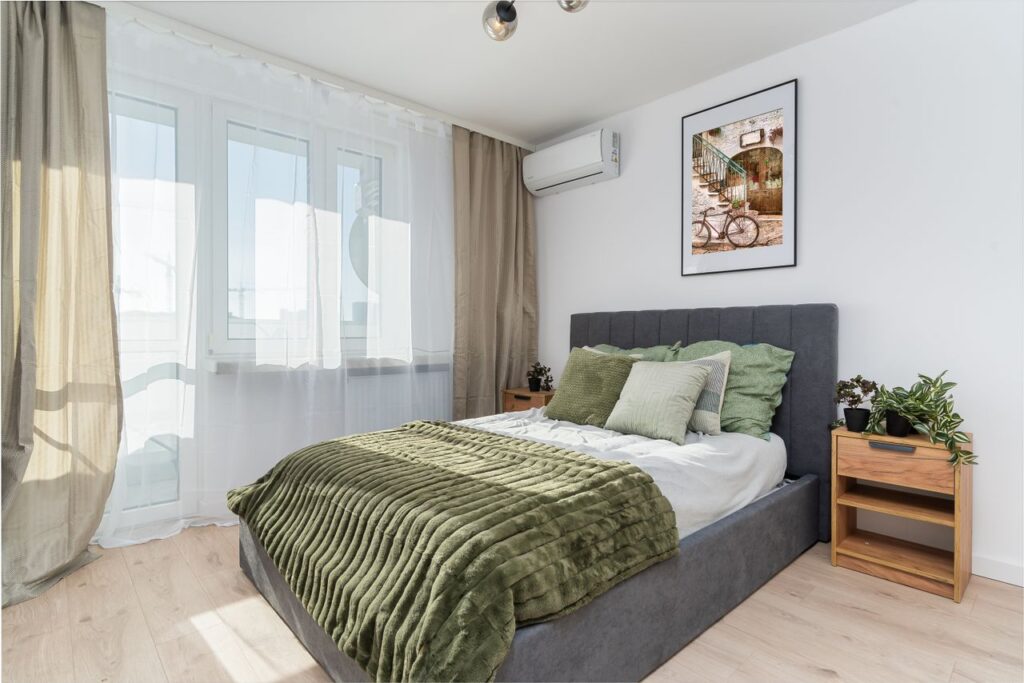
If you own a suitable property, you may be able to use it for short stays. This avoids taking on a new purchase, although you still need to check mortgage conditions, lease restrictions, planning rules and insurance.
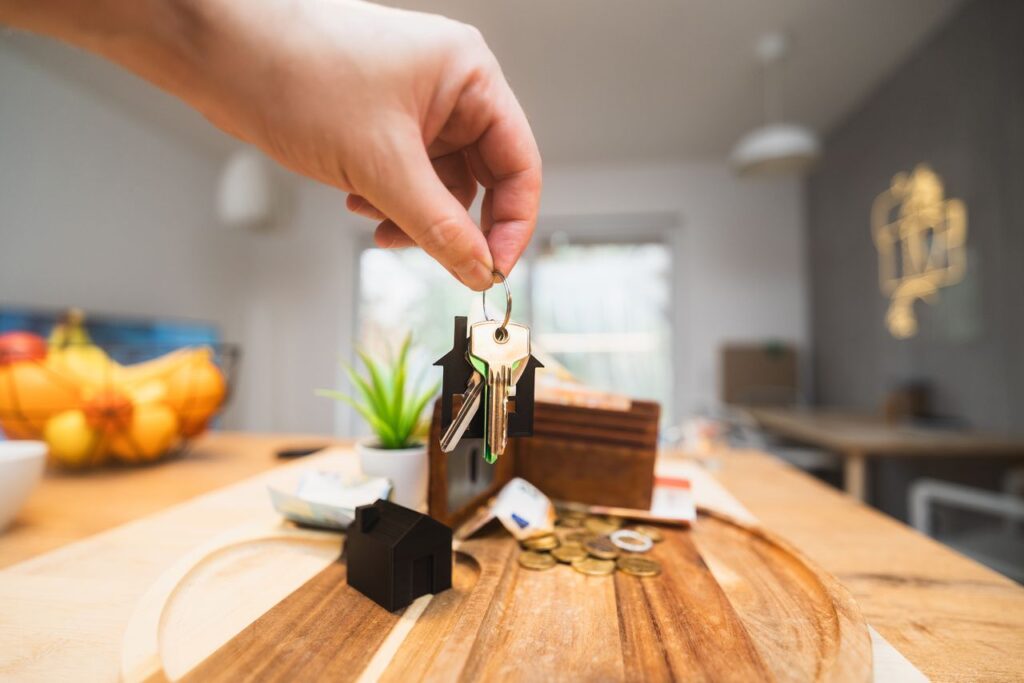
Buying specifically for Airbnb gives you more control over the property, but it requires a larger financial commitment. Your research should cover purchase costs, financing, local demand, expected occupancy and ongoing expenses.

Often called rent-to-rent, this involves renting a property from its owner and operating it as short-stay accommodation under an agreed arrangement. You must have the owner’s explicit written permission and confirm that the lease, superior lease, mortgage arrangements, insurance and applicable rules allow the intended use.
There is no single best option for everyone. If you are new to property, start by comparing the money required, the level of risk and how much day-to-day work each model involves.
You can explore different approaches through the Assets For Life property investment resources.
One of the easiest mistakes to make is choosing a property because it looks attractive rather than because people want to stay there.
A stylish flat in an area with little short-term demand may struggle to attract bookings. A simpler property near a hospital, business district, tourist attraction or transport link could perform better.
Start by looking at the area you have in mind. Search Airbnb and other booking platforms for similar properties, paying attention to:
– The nightly prices of comparable accommodation.
– The quality, size and facilities offered by competing listings.
– Guest reviews and recurring complaints.
– Whether demand appears seasonal or consistent throughout the year.
– The availability of hotels and other short-stay accommodation nearby.
– Local attractions, employers, hospitals, universities and transport links.
Do not assume that an advertised nightly rate is what a host earns every night. A listing may show a high price but receive relatively few bookings. Public calendars and availability can offer clues, but they do not reveal an operator’s actual occupancy or profit.
Where possible, speak to local property managers and cleaning providers. They may help you understand the practical challenges of operating in that area.
Your aim is to establish a realistic range of potential income, not to find the most expensive listing and assume you can charge the same.
Your initial budget will depend on the property and the business model you choose. Someone preparing an already-furnished property will have very different costs from someone buying furniture for an empty house.
Common startup expenses include:
– Deposit, purchase costs or rent paid upfront.
– Furniture, beds, mattresses and storage.
– Kitchen equipment, crockery and utensils.
– Bedding, towels and replacement linen.
– Décor, lighting and basic maintenance.
– Safety equipment and any required compliance work.
– Professional photography.
– Insurance and appropriate professional advice.
– Initial cleaning and guest supplies.
– Software or services used to manage bookings.
Keep a separate allowance for unexpected expenses. A broken appliance, plumbing problem or delay in getting the property ready can quickly affect your budget.
It is also sensible to keep enough cash available to cover ongoing costs if bookings take longer than expected to build up.
A practical Airbnb setup budget should cover the property being ready to welcome guests and the period before income becomes reliable. Spending every available pound on furniture leaves little room for problems.

Before advertising a property, make sure you are legally able to operate it as short-term accommodation. The rules depend on where the property is located and how it will be used.
In England, check the following areas carefully.
Do not assume that a property can automatically be used for short-term letting just because it is suitable for guests.
Your local planning authority can advise whether planning permission is required for your intended use. The position may depend on the property, its previous use, the extent of short-term letting and local planning policies.
If the property is leasehold, check the lease for restrictions on subletting, holiday lets or business use. If there is a mortgage, speak to your lender before proceeding. Standard residential mortgage terms may not permit short-term letting.
You can start with the official GOV.UK guidance on letting out a self-catering holiday home.
Short-term accommodation requirements can change. As of October 2026, England’s proposed national registration scheme for short-term lets is expected to begin in March 2027, but it is not yet in force. Check the latest government guidance before launching and again before any future change to your business.
Do not assume that registration, where required, replaces planning permission or other obligations.
Depending on the property and the way it is operated, you may need to address fire safety, gas safety, electrical safety, smoke and carbon monoxide alarms, and other relevant requirements. Check which rules apply to your specific setup and keep records of inspections and maintenance.
You should also arrange insurance that expressly covers the intended short-term letting activity. Ordinary home insurance may not provide suitable cover.
Income from short-term letting may be taxable. Your position will depend on the nature of the activity, your circumstances and the applicable tax rules.
The former furnished holiday lettings tax regime was abolished from April 2025, so do not rely on older articles that describe its previous tax advantages as though they still apply.
Read the current GOV.UK guidance on rental income and Income Tax and get professional advice if you are unsure how the rules apply to your business.
Guests do not expect every Airbnb to look like a luxury hotel. They do expect it to be clean, comfortable and accurately described.
Start with the essentials. A supportive mattress, clean bedding, reliable heating, good lighting, working appliances and enough storage can make a real difference to a guest’s stay.
Think about the people you want to attract. Business travellers may value a desk, reliable Wi-Fi and easy access to transport. Families may need a cot, suitable dining space or laundry facilities. Guests staying for several weeks may appreciate a washing machine and practical kitchen equipment.
Before buying decorative extras, prioritise the features guests will use every day.

Use this checklist before your first booking:
– Make sure beds, mattresses and seating are comfortable.
– Provide clean towels, spare bedding and basic kitchen equipment.
– Check that locks, doors and windows work properly.
– Arrange a reliable cleaning process between stays.
– Provide clear instructions for arrival, access, rubbish and checkout.
– Make sure photographs and listing details accurately reflect the property.
A simple, well-maintained space is usually a better starting point than an expensive makeover that leaves you short of working capital.
Your Airbnb listing is often the first impression a potential guest gets of your property. It should help them quickly understand what they are booking and whether it suits their needs.
Choose a clear title that highlights a genuine benefit, such as proximity to a station, a dedicated workspace or a convenient location for a local attraction. Avoid making promises the property cannot deliver.
Use bright, accurate photographs that show the main rooms, bathroom, kitchen and any useful facilities. Tidy the space before taking pictures and make sure the images represent the property as it looks in real life.
Your description should answer the questions guests are likely to have:
– How many people can stay comfortably?
– What beds and sleeping arrangements are provided?
– Is parking available, and is it free?
– How does check-in work?
– Are there stairs or accessibility limitations?
– What facilities are included?
– Are there any noise restrictions or house rules?
Be upfront about limitations. If the flat is on the third floor without a lift, say so. Clear information helps guests make informed decisions and can reduce complaints later.
Pricing is one of the most important parts of running a short-term rental. Charge too much and you may lose bookings to similar properties. Charge too little and you could be busy without earning much after expenses.
Research comparable listings, then consider how your prices should change throughout the year. Weekends, school holidays, local events and busy business periods may support higher rates, while quieter periods may require a more competitive approach.
Review your price regularly rather than setting it once and forgetting about it.
You should also calculate your minimum viable nightly rate. Add up your fixed costs, variable costs and a sensible allowance for maintenance and replacements. Then estimate how many nights you can realistically expect to sell.
Remember that platform fees, cleaning costs, taxes and cancellations can affect your final income. A price that looks attractive as gross revenue may not leave much profit.
Let’s use a simplified example to show why occupancy matters.
Assume a property charges an average of £100 per booked night. The table below shows the gross booking revenue at different levels of occupancy. These are illustrative figures, not an estimate of typical Airbnb performance.
Assumed average nightly rate: £100

Gross revenue before cleaning, operating costs, platform fees and tax.
Actual income will depend on nightly rates, demand, cancellations and the number of nights available to sell.
Now consider a hypothetical month with £2,000 in gross booking revenue.
Monthly item | Example amount |
|---|---|
Gross booking revenue | £2,000 |
Rent or mortgage cost | £900 |
Utilities | £180 |
Cleaning and laundry | £200 |
Platform and payment fees | £100 |
Maintenance and supplies | £100 |
Insurance and other costs | £70 |
Balance before tax | £450 |
This example is for illustration only. It does not include every possible cost, such as finance charges, furnishing depreciation, larger repairs or periods without bookings. Cleaning fees may also be charged separately to guests, depending on how you structure your listing.
The important lesson is that gross revenue is not profit. A property bringing in £2,000 a month could leave a much smaller amount once the bills have been paid.
Before you commit, run at least three scenarios:
Optimistic: Bookings are strong and you achieve your expected nightly rate.
Realistic: Occupancy and prices are moderate, with normal running costs.
Cautious: Bookings are lower than expected, costs rise or repairs interrupt trading.
If the business only works in the optimistic scenario, revisit the numbers before going ahead.
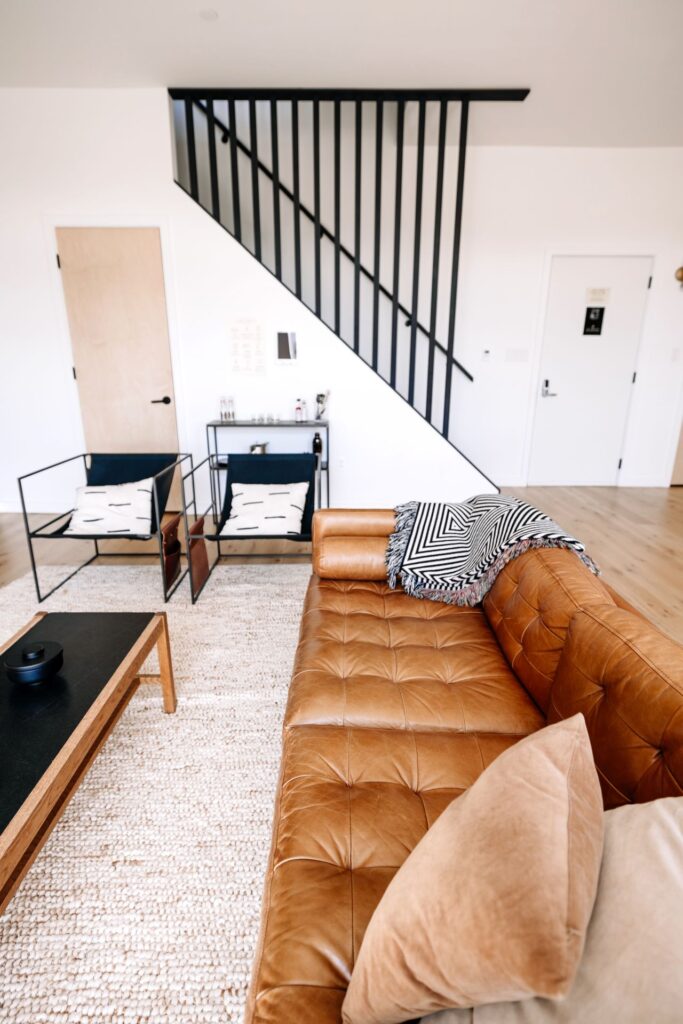
Running an Airbnb involves more than handing over the keys. Guests may ask questions before booking, need help checking in or report an issue during their stay.
Decide how you will handle the day-to-day work before accepting your first guest.
You will need a reliable process for:
– Responding to booking enquiries.
– Sending check-in and access instructions.
– Organising cleaning and laundry.
– Checking the property between stays.
– Replenishing supplies.
– Dealing with maintenance problems.
– Managing cancellations, complaints and refunds.
– Asking for feedback and responding professionally to reviews.
You can manage these tasks yourself, use software to automate parts of the process or employ a property manager. Each option has a cost, so include it in your financial calculations.
If you live far from the property, reliable local support becomes particularly important. A small problem can become a poor guest experience if nobody is available to deal with it.
Good reviews can help prospective guests feel confident about booking. They are usually the result of getting the basics right consistently, rather than offering expensive extras.
Make sure the property is clean, the listing is accurate and check-in works as promised. Respond to messages promptly and deal with problems calmly. If something goes wrong, explain what you are doing to resolve it instead of ignoring the guest.
Pay attention to feedback. If several guests mention poor lighting, uncomfortable pillows or confusing access instructions, those comments give you a practical list of improvements.
Avoid pressuring guests for positive reviews. Focus on providing a reliable experience and making it easy for them to share honest feedback.
Over time, use guest comments, booking patterns and expenses to identify where you can improve the service and the business’s financial performance.
There is no single figure because the cost depends on whether you already own the property, need to rent it or plan to buy one. Furnishing, safety work, insurance and working capital also affect the budget. List your upfront and monthly costs before deciding how much you can afford to invest.
Yes, in some circumstances. You could operate a property under a rent-to-rent or management arrangement, but you must have the appropriate written permission and check the lease, mortgage, insurance and legal requirements. Do not assume that a normal tenancy allows you to offer short-term stays.
It can be, but profitability depends on local demand, occupancy, nightly rates and operating expenses. A property with high booking revenue may still produce a small return once rent or finance, cleaning, utilities, repairs and fees are included. Build a cautious financial forecast before committing.
It depends on the property, its intended use and local planning rules. In England, your local planning authority can advise whether permission is needed. Leasehold restrictions and mortgage conditions may also affect what you can do. Check these matters before spending money on furnishing or advertising.
Requirements depend on the location and the type of accommodation. Do not assume that one national licence covers every situation. Check current government guidance and your local authority’s requirements, including any applicable registration scheme, planning rules and safety obligations.
Compare similar properties in your area, taking account of size, location, facilities and guest capacity. Adjust for seasonal demand and local events, then check whether the rate covers your expected costs at a realistic occupancy level. Review prices regularly rather than relying on a single fixed rate.
The workload depends on booking frequency, guest needs, the property’s location and whether you outsource cleaning or management. Tasks include answering messages, coordinating check-ins, organising cleaning and resolving maintenance issues. Even with automation, you need a reliable process for problems that require a human response.
You should arrange cover that specifically permits the intended short-term letting activity. Standard home insurance may exclude or restrict commercial guest stays. Depending on your setup, you may also need suitable public liability and other cover. Speak to an insurer and check the policy wording rather than relying on assumptions.
Short-term letting income may be taxable, and the rules depend on your circumstances and how the activity is structured. The former furnished holiday lettings tax regime was abolished from April 2025. Keep accurate records of income and allowable expenses, check current HMRC guidance and seek professional tax advice where needed.
Neither option is automatically better. Short-term letting may generate more income per occupied night, but it can also involve more work, variable demand and higher operating costs. A traditional buy-to-let may offer a more predictable tenancy arrangement. Compare net returns, risks, time commitment and local rules before choosing.
Starting an Airbnb business can be a useful way to explore serviced accommodation, but success comes from treating it like a business rather than a quick way to make money from property.
Research the market, check that the property can legally be used as intended and calculate your costs carefully. Start with a clear operating plan and enough financial breathing room to deal with quieter periods or unexpected repairs.
If you want to understand how serviced accommodation fits into a wider property strategy, explore the resources available from Assets For Life. You can also browse its property investment courses to learn more about different property investing strategies including our serviced accommodation training.
The best Airbnb setup is one built around realistic numbers, a suitable property and a guest experience you can deliver consistently, even when bookings are quieter than expected.

How To Start An Airbnb Business: Complete A to Z Guide For Beginners
Learn how to start an Airbnb business in the UK, from setup costs and legal

Vendor Finance: What Is It and How Could It Help You Buy Property in the UK?
High mortgage rates, cautious lenders and slow buy-to-let underwriting are stalling deals. So, how are

Top 10 Areas for Buy-to-Let in the UK
The UK property market has been turbulent in recent years yet smart investors are still
Claim Your Free Copy


