



How to Get Into Flipping Houses in the UK
Flipping houses can be an appealing way to enter the UK property market, provided you

Flipping houses can be an appealing way to enter the UK property market, provided you understand the costs, risks, and work involved.
Table of Contents
ToggleThe strategy involves buying a property, improving it, and selling it for more than your total investment. However, rising renovation costs, changing buyer demand, and unexpected delays can quickly reduce your returns.
If you’re wondering how to get into flipping houses, start by reading this article.
House flipping involves purchasing a property with the intention of increasing its value and selling it for a profit.
Investors often target homes that need modernisation or repairs, but have the potential to attract buyers once the work is complete.
For example, a dated property in a desirable neighbourhood might appeal to buyers if you update its kitchen, improve its layout, or refresh its interiors. The challenge is identifying improvements that buyers will pay for without overspending on renovations.
Read the Ultimate Guide to Successfully Flipping Houses in the UK from Assets For Life to explore the strategy in more detail.
Before searching for your first investment, choose an area you understand or are prepared to research thoroughly. Look at recent sold prices, the types of homes buyers want, and how long comparable properties take to sell.
Estate agents can offer useful insights into local demand, but verify their estimates against actual sales data. You can also use property portals and the government’s UK House Price Index to investigate price movements.
Pay particular attention to properties that offer a realistic opportunity to add value. A cheap house is not necessarily a good investment if it sits in an area with weak demand or requires extensive structural repairs.
One of the biggest mistakes beginners make is focusing on the difference between the purchase price and expected selling price. Your actual profit depends on the full cost of the project.
Account for:
For example, buying a house for £180,000 and selling it for £250,000 creates a £70,000 difference. However, if refurbishment costs £30,000 and other project expenses total £20,000, the remaining £20,000 is before any applicable taxes.
This is why accurate estimates matter. Stamp Duty Land Tax rules differ across the UK, and additional-property rates may apply in England and Northern Ireland. Scotland and Wales have their own property transaction taxes.
Tax treatment on resale also depends on your circumstances and how the activity is classified, so seek advice from a qualified accountant.
Auctions, estate agents, and online property portals can all help you identify potential opportunities.
If you really want a good deal, look beyond cosmetic appeal. Check the condition of the roof, plumbing, electrics, damp-proofing, and structural elements. Arrange an appropriate survey and obtain professional estimates for significant work before committing to a purchase.
Compare the estimated resale value with similar renovated homes nearby. Remind yourself to be conservative with your figures, especially if local prices are changing or buyer demand is uncertain.
Remember also that the best property to flip is not necessarily the one needing the most work. A manageable renovation with predictable costs may offer a better risk-to-reward balance than a major refurbishment with an uncertain outcome.
Flipping takes cash upfront, and you’ll need more than the purchase price. Here’s what to plan for:
Cost | What to expect |
Deposit | Often 25% or more when using a short-term loan |
Stamp duty | Higher rates can apply to additional properties |
Renovation | Depends on the property’s condition and your spec |
Legal and survey fees | Conveyancing, searches, and a proper survey |
Finance costs | Interest and arrangement fees on bridging loans |
Selling costs | Estate agent fees and marketing |
Tax | Income tax or capital gains tax on your profit |
Many flippers use bridging loans because they’re quick to set up. They’re also pricey, and interest is usually charged monthly, so run the numbers carefully. Our guide explains how to secure funding for a flip in more detail.
Always add a buffer of 10% to 15% for surprises. Something almost always comes up.
A quick heads-up on tax: profits from flipping can be treated as trading income, not a simple capital gain. Speak to an accountant before you buy.
Next, create a realistic renovation plan. Obtain written quotes, agree on the scope of work, and establish a timeline with room for delays.
Stick to upgrades buyers actually care about. Kitchens, bathrooms, fresh paint, and good flooring usually give the best return. Over-the-top finishes rarely pay off.
Price it realistically and use great photos. Ask a few local agents for valuations, and pick one with a strong track record nearby.
Presentation counts for a lot. Good home staging can make a property feel more inviting and help it sell faster.
Timing matters too. If your flip drags on, holding costs eat into your profit. Have your sale plan ready before the work finishes.
It also helps to have a plan B. If the market cools and the property doesn’t sell, renting it out can cover your costs while you wait. Our look at whether rental property investment is still worth it is a good place to start.
Assets For Life provides property education and resources for people looking to develop their investment knowledge. Explore property investment resources to learn more about different strategies and approaches.
Before investing, make sure you understand the risks, have access to appropriate professional advice, and can afford the financial commitment.
There is no fixed starting amount. Your capital requirements depend on the property’s purchase price, renovation needs, transaction taxes, financing arrangements, and contingency fund. Calculate the full project budget before deciding whether an opportunity is affordable.
It can be, but profitability depends on buying at the right price, controlling costs, and selling successfully. Market changes, unexpected repairs, and financing expenses can reduce or eliminate potential profits.
Yes, beginners can learn the process, but they should research the market, understand property costs, and seek appropriate professional advice before committing funds.
Flipping can be rewarding, but the UK market is volatile, and going it alone is risky. Assets For Life is a leading UK property education company that helps people learn the ropes and make smarter decisions.
Register for free property training today and get help navigating the market with confidence.
You May Also Be Interested In...
How to Get Into Flipping Houses in the UK
Flipping houses can be an appealing way to enter the UK property market, provided you

Top 4 Creative Financing Ideas For Funding Your Next Property Deal
Not sure how to fund your next property deal? We explain popular creative funding strategies

How To Start An Airbnb Business: Complete A to Z Guide For Beginners
Learn how to start an Airbnb business in the UK, from setup costs and legal
Featured Property Investment Events & Courses
The Property Flipping Summit
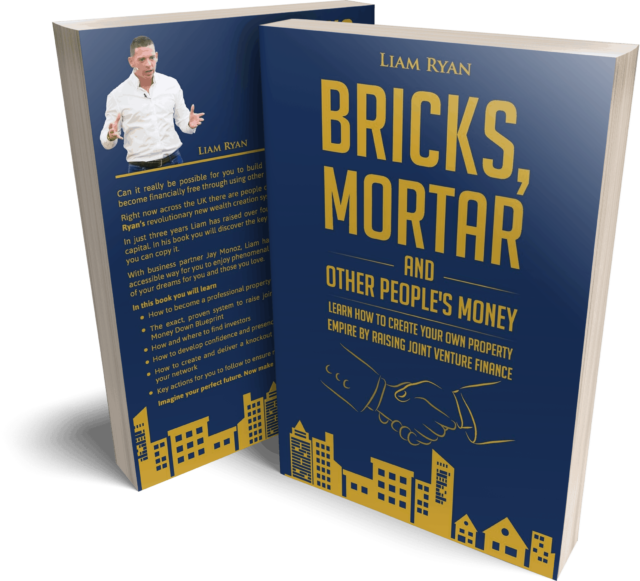
Claim Your Free Copy
Assets For Life LTD is a company incorporated in England and Wales with registered number 09935286 and registered offices at Assets for Life Ltd, Suite 105, Waterhouse Business Centre, 2 Cromar Way, Chelmsford, Essex, England, CM1 2QE, United Kingdom.
Assets For Life LTD is registered with the Information Commissioner’s Office, with registration number ZA280607
COPYRIGHT © 2026 ASSETS FOR LIFE, ALL RIGHTS RESERVED. WEBSITE BY AMPLIFY MARKETING


