



Being a Portfolio Landlord: What Happens After Your 4th Property
A portfolio landlord is a borrower with four or more mortgaged buy-to-let properties. Here’s what

Your first step into the UK property market will expose you to new terminology you may not be familiar with. “Portfolio landlord” is one term you may hear a lot alongside “4-property rule,” but what do they indicate?
Table of Contents
ToggleIn short, a portfolio landlord is a borrower with four or more mortgaged buy-to-let properties, counted in aggregate, whether they’re held together or separately. This is an official label defined by the Prudential Regulation Authority’s supervisory statement SS13/16.
Read our guide to understand what changes when you achieve this celebrated milestone!
The most important detail that automatically makes you a portfolio landlord is if you have four or more buy-to-let mortgaged properties when the new loan is complete.
However, in some cases, the lines can blur a bit, and it’s up to the lender to decide whether you qualify as a portfolio landlord.
For example, properties held through your limited company, homes you’ve previously lived in, holiday lets, and jointly held properties may not be counted into the 4-property rule.
Lenders assess the business of portfolio landlords as a whole; they don’t only focus on the market value, rent, and other specifications of the new property you’re applying for.
As a portfolio landlord, your application for a loan will ask for more details, and it’ll take longer to be processed than if you hold fewer than four eligible properties. You may expect:
One thing all market professionals agree on is that a lender’s underwriting assessment for a new property added to your portfolio takes significant time. The key to streamlining this process is to:
It’s neither good nor bad; it only changes the nature of your borrowing from now on. Still, you have to look at its pluses and downsides to get the whole picture:
In most cases, lenders will count limited company properties towards the four properties that will earn you the title of a portfolio landlord. However, some lenders tend to aggregate personal and company holdings, while others will evaluate them separately.
To stay well-informed, research each lender’s assessment strategy before applying for a loan.
Most lenders will look for the following points when assessing your portfolio:
– It’s a good idea to ensure your profile meets all these requirements before applying so that your loan doesn’t take long to be approved.
Even after reading this simple introduction to what being a portfolio landlord entails, your education mustn’t stop there. Receive professional training from Assets for Life and approach your property investment goals with a high degree of self-trust.
Join over 8,700 UK investors who’ve successfully launched their property businesses after signing up for our educational resources: bootcamps and courses, property events, webinars, investment guides, ebooks, and our property podcast.
The UK property market can be volatile and having access to accurate, up-to-date information is key to success. Start your journey to a thriving property business with Assets For Life today!
You May Also Be Interested In...
Being a Portfolio Landlord: What Happens After Your 4th Property
A portfolio landlord is a borrower with four or more mortgaged buy-to-let properties. Here’s what

Is It Better to Rent or to Buy a House?
With the UK property market so unpredictable, there’s no single option that works for everyone.

How to Get Money Out of Your House Without Selling
So, how can you get money out of your house without selling? We explore different
Featured Property Investment Events & Courses
The Property Flipping Summit
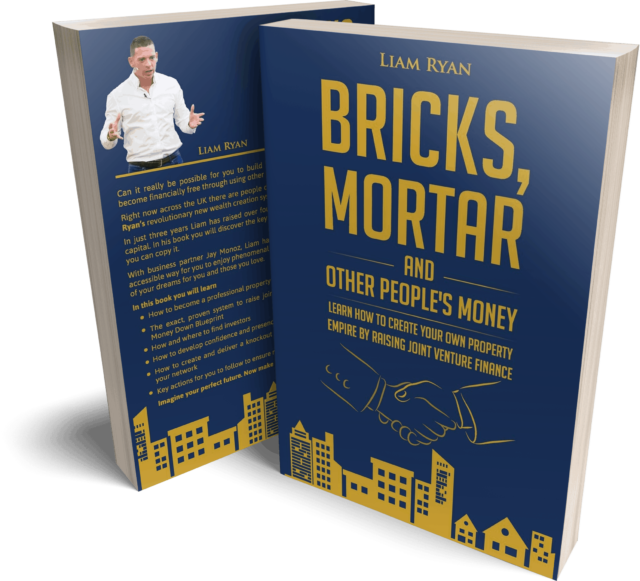
Claim Your Free Copy
Assets For Life LTD is a company incorporated in England and Wales with registered number 09935286 and registered offices at Assets for Life Ltd, Suite 105, Waterhouse Business Centre, 2 Cromar Way, Chelmsford, Essex, England, CM1 2QE, United Kingdom.
Assets For Life LTD is registered with the Information Commissioner’s Office, with registration number ZA280607
COPYRIGHT © 2026 ASSETS FOR LIFE, ALL RIGHTS RESERVED. WEBSITE BY AMPLIFY MARKETING



