



Property Bonds UK: What You Should Know Before Investing in Property
With so many property investment options, it can be difficult to choose where to put

Holiday lets, or holiday homes, are a wonderful idea for individuals looking to spread their property investments widely. When done right, holiday let investments offer high yields, but they’re subject to specialised legal obligations and mortgage requirements.
Table of Contents
ToggleIf you think this is your calling, read this guide to grasp the benefits and drawbacks of buying a holiday let in the UK. You’ll also learn more about holiday let mortgages, estimated running costs, rules and regulations, and a few tips for owning a holiday let.
Key Takeaways
Holiday lets are properties let to other people for short-term stays in serviced accommodation that is not their main home. To qualify as a holiday stay, the duration should range from 1 to 31 days.
It’s important to accurately define a holiday let (or short-term let) for tax purposes, as a holiday let may be subject to business rates while you might be expecting local council tax.
Similarly, your holiday let goals may require you to get planning permission approval.
What makes holiday lets such an irresistible, potentially lucrative opportunity for some property investors is that:
Consider these drawbacks before buying a holiday let so you have the right expectations:
After weighing the pros and cons, you need to think about what holiday mortgage schemes look like and how different they are from a typical buy-to-let. For starters, you can’t apply for a regular residential or standard buy-to-let mortgage, but a specialist holiday let mortgage.
What this entails is:
Running costs will vary based on several factors, such as the property’s location, size and features, guest turnover rates, maintenance, management level, subscriptions, and insurance.
On average, you can expect to spend £7,000 to £12,000 a year on holiday let expenses, which include:
Rules and regulations regarding holiday lets can change from one location to another; although, in general, you don’t need a licence to rent one out in England.
If you think that investing in a holiday let is worth it, follow these tips to minimise the risks and make the most of your investment:
Holiday lets can be a good investment because they generate high yields in a short amount of time.
However, they have their risks, as they’re more hands-on than passive long-term rentals. Plus, holiday lets have higher upfront and maintenance costs, and they sit idle in the off-season.
A holiday home needs to be in a location that tourists will be interested in visiting, such as:
Buying a holiday let can be one more rewarding investment added to your portfolio. For a higher success rate, sign up for top-rated property investment education by a UK leading business training company – Assets for Life.
From regular webinars to property investment events, bootcamps, and weekend summits, there’s no shortage of resources to offer you professional guidance.
You May Also Be Interested In...
Property Bonds UK: What You Should Know Before Investing in Property
With so many property investment options, it can be difficult to choose where to put

Being a Portfolio Landlord: What Happens After Your 4th Property
A portfolio landlord is a borrower with four or more mortgaged buy-to-let properties. Here’s what

Is It Better to Rent or to Buy a House?
With the UK property market so unpredictable, there’s no single option that works for everyone.
Featured Property Investment Events & Courses
The Property Flipping Summit
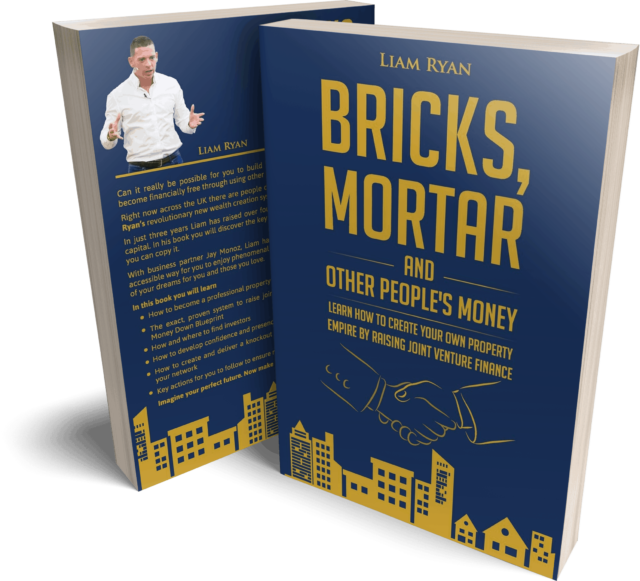
Claim Your Free Copy
Assets For Life LTD is a company incorporated in England and Wales with registered number 09935286 and registered offices at Assets for Life Ltd, Suite 105, Waterhouse Business Centre, 2 Cromar Way, Chelmsford, Essex, England, CM1 2QE, United Kingdom.
Assets For Life LTD is registered with the Information Commissioner’s Office, with registration number ZA280607
COPYRIGHT © 2026 ASSETS FOR LIFE, ALL RIGHTS RESERVED. WEBSITE BY AMPLIFY MARKETING



