Fancy earning hotel-style income without the hotel-style headache? That's the appeal of serviced accommodation. Discover the top 10 areas for serviced accommodation in the UK...
Read More
The shopping landscape has undergone a transformational shift over the past decade, and it is continuing at a rapid pace. Online shopping has become more and more popular, and it has made many brick-and-mortar retail spaces irrelevant. However, this does not mean that retail is dead. Instead, retailers need to adapt to the digital age by converting their retail spaces to meet the needs of modern consumers. In this blog, we will explore the ways retailers can convert their spaces to accommodate the digital age.
Table of Contents
ToggleIn this digital age, customers expect retailers to offer an online and offline presence. Customers want the flexibility to shop online and pick up in-store, or vice versa. It is essential for the retail space to have an omnichannel presence. Retailers can convert their spaces into omnichannel hubs by providing in-store kiosks and displays. Customers can come into the physical store, browse through the products, and order online or purchase in-store. Retailers can also make use of digital marketing techniques to promote their in-store products to the online audience.
Retailers can offer an immersive and engaging experience in-store that cannot be replicated online. Retail spaces should provide an immersive experience that goes beyond the mere transaction. A store can be designed with interactive displays, digital signages and interactive floor projections, for example. These interactive elements can bring the customer into the brand’s world and provide a personalised and memorable experience.
Retailers can use digital technologies like location-based services, beacons, drones, and AI (artificial intelligence) to track customers’ preferences and the products they are looking for. This will help retailers to offer personalized promotions, discounts, or even a personalised experience to the customers. It’ll be a win-win situation – the retailers can offer tailored experience and the customers can enjoy a personalised shopping experience.
In-store pickup option is an excellent way of blending the online and offline shopping experiences. Retailers can convert their existing space into pickup hubs where customers can come and collect their orders. This way, the customers can save time by not waiting for their items to be delivered. Also, retailers can offer add-on products or services to the customers while they are in-store.
Retailers can use social media to promote their in-store products and offers to a broader audience. Social media posts like “in-store only discounts” can drive traffic to the physical store, thus boosting footfall. Retailers can also leverage user-generated content by reposting customer photos using their products in-store.
Converting retail spaces for the digital age is undoubtedly the need of the hour. Retailers need to think creatively to offer a seamless omnichannel experience. Retail spaces should be designed to offer a high level of interactivity, personalisation, and convenience. It’s time for retailers to adapt to the new shopping realm and embrace the digital transformation to stay relevant and engaging for the consumers. With a little imagination, conversion of the retail space can attract more customers to physical stores.
If you want to level up your social media game, get your FREE guide here.
Fancy earning hotel-style income without the hotel-style headache? That's the appeal of serviced accommodation. Discover the top 10 areas for serviced accommodation in the UK...
Read MoreThe mortgage structure you choose as a property investor will have a direct impact on your monthly cash flow, your return on investment, and your...
Read MoreTax changes, rising mortgage costs, tighter legislation, and a landlord exodus. The narrative seems to be that buy to let is finished, but is it?...
Read MoreDeal sourcing can be a lucrative strategy. As it is considered “estate agency work” in the Estate Agents Act 1979, there are compliance rules to...
Read More
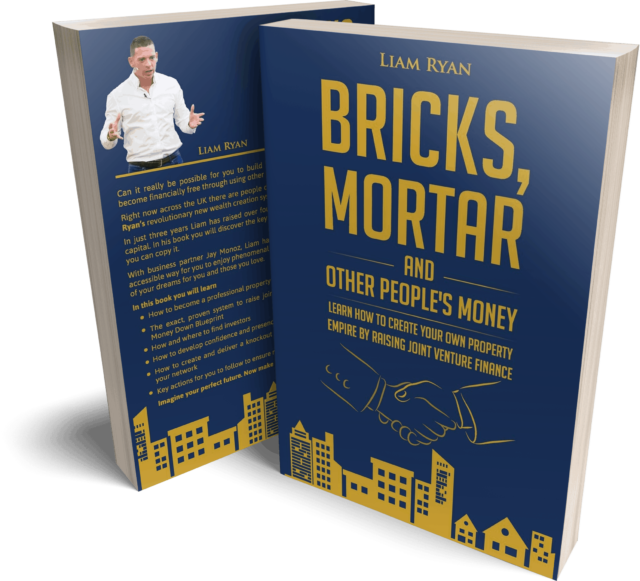
Claim Your Free Copy
Assets For Life LTD is a company incorporated in England and Wales with registered number 09935286 and registered offices at Assets for Life Ltd, Suite 105, Waterhouse Business Centre, 2 Cromar Way, Chelmsford, Essex, England, CM1 2QE, United Kingdom.
Assets For Life LTD is registered with the Information Commissioner’s Office, with registration number ZA280607
COPYRIGHT © 2026 ASSETS FOR LIFE, ALL RIGHTS RESERVED. WEBSITE BY AMPLIFY MARKETING