



Property Investment Advice: A Practical Guide for UK First-Time and Growing Investors
Entering the world of property investing can be exciting, but it can feel overwhelming too.

Thinking about investing in property? It’s exciting, but it can feel overwhelming too. After all, interest rates shift, rules change and prices rarely stand still. It’s enough to make anyone pause.
Table of Contents
ToggleFortunately, with the right property investment advice UK investors can trust, you can make confident choices at every stage. Plus, you don’t need years of experience to get started.
In this guide, you’ll learn how to set clear goals, compare popular strategies and manage risk in an unpredictable market. Along the way, you’ll see where expert support can make the biggest difference.
Despite market ups and downs, property remains a favourite for good reason. Here’s why many investors keep coming back:
Property can pay you back in two ways: Rent provides regular income and rising values can grow your wealth over time. Together, they give you a steady base to build on, even when markets feel uncertain.
Unlike shares, property is something you can see and improve. For instance, a refurbishment or a better tenant mix can lift your returns. Plus, you decide exactly how to manage it.
That level of control is a big draw for hands-on investors. Of course, no investment is risk-free, so weigh the downsides and upsides. That’s why a clear plan matters.
Before you browse a single listing, get clear on what you want. Your goals shape every decision that follows.
Start with what you can comfortably afford. Think about your deposit, running costs and a cash buffer for surprises. Then ask yourself how much risk feels right, since a lower tolerance may suit steadier options.
Some investors want rental income now. Others prefer to hold for years and let values rise. Neither path is wrong, but each calls for a different strategy.
Ask yourself:
Jot down your honest answers. They’ll make the next few steps much easier.
There’s no single best route into property. Instead, each strategy suits a different budget, schedule and appetite for risk. Each also brings its own costs, rewards and responsibilities.
This table gives you a quick side-by-side view:
Strategy | Typical entry cost | Income potential | Effort required | Best for |
Buy-to-let | Medium | Steady | Medium | Long-term income |
HMO | Medium to high | Higher | High | Hands-on investors |
Buy-to-sell (flipping) | Medium to high | One-off profit | High | Experienced renovators |
Serviced accommodation | Medium | Higher but variable | High | Investors in tourist areas |
Off-plan | Lower upfront | Growth-led | Low until completion | Patient, long-term buyers |
Note: Costs and returns vary by location, so treat this table as a starting guide and research your chosen area beforehand.
Think about how much time you can realistically invest each week.
Buy-to-let suits you if you want a steadier, lower-effort income. HMOs and serviced accommodation can earn more, sure, but they ask for more of your time and knowledge.
Meanwhile, flipping suits those with renovation skills. Off-plan works best if you’re happy to wait for completion.
Not sure which suits you? Start by matching the strategy to your time, budget and comfort with risk. That way, you avoid buying something that doesn’t fit your life or goals.
If you’re still unsure, a property education course can walk you through each option step by step.
Market swings can test your nerves. Fortunately, a few smart habits help you stay steady.
Rising mortgage rates, stamp duty changes and new landlord rules can all affect your returns. So, check your numbers against different scenarios before you commit.
For example, ask what happens if your mortgage costs rise or a property sits empty for a few months. Staying up to date on policy changes also helps you spot potential problems early.
Location drives both rental demand and long-term growth. Look for areas with strong transport links, nearby jobs and steady tenant interest. Local knowledge matters here, so read up on each area before you buy.
For a closer look at one city, see our Cardiff Property Investment Guide.
A solid cash reserve gives you breathing room when things don’t go to plan. Aim to set aside enough to cover repairs, void periods and higher repayments. With that cushion in place, you can ride out dips and avoid selling under pressure.
Even experienced investors slip up sometimes, so you’re in good company. Watch out for these common mistakes:
Knowledge is your best protection in an unpredictable market. With the right education, you can spot good deals, avoid costly errors and build a portfolio that suits your goals.
Ready to take the next step? Contact us today and get expert guidance on navigating the UK market. You’ll learn from specialists who know the pitfalls and opportunities.
It depends on your budget, goals and time. Consult our table to choose the best strategy for you.
Most investors need a deposit plus money for fees, repairs and a buffer. The exact amount varies by property and lender.
Yes. Property education helps beginners learn the basics and avoid common mistakes.
Research thoroughly and keep a cash buffer. Expert guidance can also help you spot red flags early.
You May Also Be Interested In...
Property Investment Advice: A Practical Guide for UK First-Time and Growing Investors
Entering the world of property investing can be exciting, but it can feel overwhelming too.

How to Get Into Flipping Houses in the UK
Flipping houses can be an appealing way to enter the UK property market, provided you

Top 4 Creative Financing Ideas For Funding Your Next Property Deal
Not sure how to fund your next property deal? We explain popular creative funding strategies
Featured Property Investment Events & Courses
The Property Flipping Summit
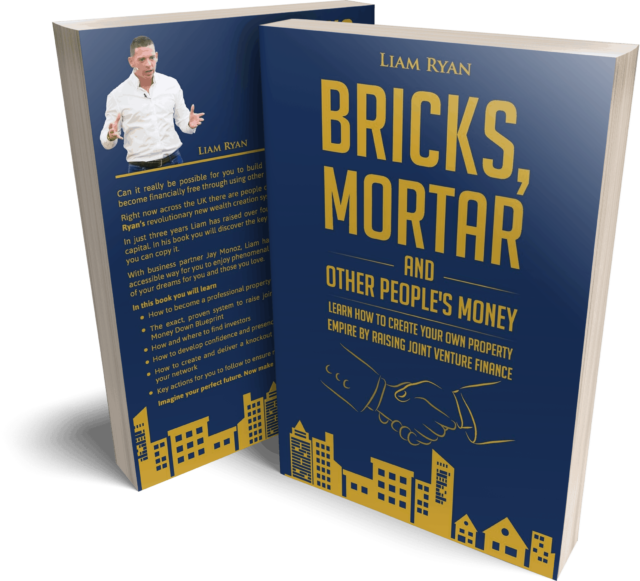
Claim Your Free Copy
Assets For Life LTD is a company incorporated in England and Wales with registered number 09935286 and registered offices at Assets for Life Ltd, Suite 105, Waterhouse Business Centre, 2 Cromar Way, Chelmsford, Essex, England, CM1 2QE, United Kingdom.
Assets For Life LTD is registered with the Information Commissioner’s Office, with registration number ZA280607
COPYRIGHT © 2026 ASSETS FOR LIFE, ALL RIGHTS RESERVED. WEBSITE BY AMPLIFY MARKETING


