



Vendor Finance: What Is It and How Could It Help You Buy Property in the UK?
High mortgage rates, cautious lenders and slow buy-to-let underwriting are stalling deals. So, how are

How to work out ROI on property is one of the most important skills you can learn as a property investor. Yet it is also one of the most misunderstood.
Table of Contents
ToggleYou might be asking yourself. Is this deal actually good? Will this property make me money? Or am I just guessing?
The truth is, many landlords buy based on gut feeling or what they hear from others. Then they realise later the numbers do not work.
This guide will show you exactly how to work out ROI on property to save you making costly mistakes.
Key Takeaways:
ROI stands for return on investment.
In simple terms, it shows how much profit you make compared to the money you put in.
If you invest £20,000 and make £2,000 per year, your ROI is 10 percent.
It sounds simple, but where most people go wrong is missing costs or using the wrong figures.
That is why understanding how to work out ROI on property properly is so important.
Let’s keep it simple.
The standard formula is:
Annual profit divided by total cash invested multiplied by 100
This gives you your ROI as a percentage.
But here is the key point. You need accurate numbers for both parts of that formula.
If your inputs are wrong, your result is meaningless.
Let’s walk through a real example.
This includes everything you put into the deal:
Example:
Total investment: £34,500
This is your total rent over a year.
Example:
This is where many investors make mistakes.
You need to include:
Example:
Total expenses: £8,000
Annual rent minus expenses:
£10,800 minus £8,000 = £2,800 profit
£2,800 divided by £34,500 multiplied by 100 = 8.1 percent ROI
That is your real return.
Landlords often overestimate income and underestimate costs.
For example:
This leads to deals that look good on paper but perform poorly in reality.
ROI is important, but it is not the only number you should look at.
Cash flow is just as important.
Cash flow is the actual money left in your account each month after all expenses.
You can have a high ROI but poor cash flow if your deal is structured badly.
That is why experienced investors focus on both.
That is a big difference.
If your ROI is low, it does not always mean the deal is bad. It may just need improving.
Here are a few ways investors increase returns:
We cover these strategies in more detail here:
https://assetsforlife.co.uk/property-strategies
https://assetsforlife.co.uk/property-training
https://assetsforlife.co.uk/blog
The key is understanding where the numbers can be improved.
This is one of the most common questions.
There is no single answer, but as a rough guide:
It all depends on location, strategy, and risk.
Government housing data can give context on yields and trends:
https://www.ons.gov.uk/housing
With rising interest rates and tighter margins, understanding how to work out ROI on property is more important than ever.
According to the Bank of England:
https://www.bankofengland.co.uk/monetary-policy
Higher borrowing costs mean less room for error.
Deals that worked a few years ago may no longer stack up.
This is why serious investors rely on numbers, not assumptions.
ROI measures how much profit you make compared to the money you invest. It helps you understand whether a property deal is worth pursuing based on real financial performance.
You divide your annual profit by your total investment and multiply by 100. This gives you a percentage that shows your return.
You should include all costs such as deposit, stamp duty, legal fees, mortgage payments, maintenance, insurance, and any licensing or management fees.
Both matter. ROI shows overall return, while cash flow shows how much money you actually receive each month. Strong investments usually have both.
It depends on the strategy, but many investors aim for at least 8 percent. Higher returns are often linked to more active strategies.
Yes. Changes in rent, interest rates, or expenses can affect your return. It is important to review your numbers regularly.
Yes, for a true picture. Ignoring tax can make a deal look better than it actually is.
They often miss costs or overestimate rental income. Small errors can significantly impact the final calculation.
Learning how to work out ROI on property gives you a huge advantage.
It means you can spot good deals, avoid bad ones, and make decisions based on facts.
Most people skip this step. That is why many struggle.
If you want to get confident with your numbers and avoid costly mistakes, the right guidance can make all the difference. Assets For Life has helped thousands of investors understand property deals properly and build portfolios that actually perform.
Start by learning how to break down deals step by step and apply it to real opportunities. Be sure to join our next property training event by click the link below!
You May Also Be Interested In...
Vendor Finance: What Is It and How Could It Help You Buy Property in the UK?
High mortgage rates, cautious lenders and slow buy-to-let underwriting are stalling deals. So, how are

Top 10 Areas for Buy-to-Let in the UK
The UK property market has been turbulent in recent years yet smart investors are still

Rental Property Investment: Is It Still Worth It in Today’s UK Market?
Rental property investment has taken a battering in recent years. Interest rate hikes, stricter regulations,
Featured Property Investment Events & Courses
The Property Flipping Summit
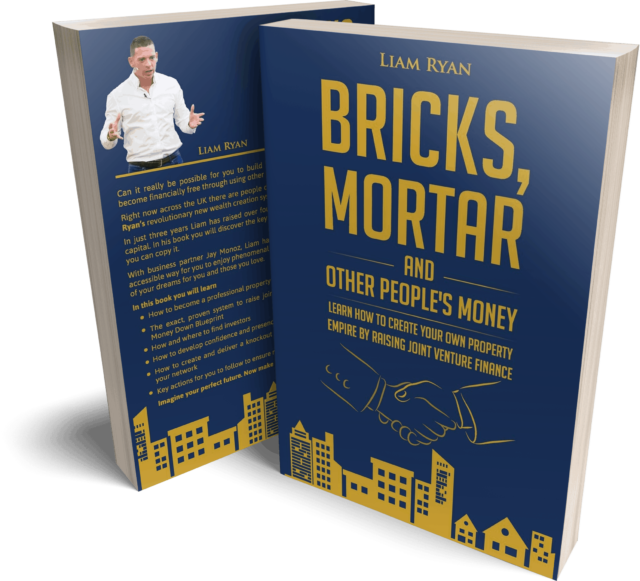
Claim Your Free Copy
Assets For Life LTD is a company incorporated in England and Wales with registered number 09935286 and registered offices at Assets for Life Ltd, Suite 105, Waterhouse Business Centre, 2 Cromar Way, Chelmsford, Essex, England, CM1 2QE, United Kingdom.
Assets For Life LTD is registered with the Information Commissioner’s Office, with registration number ZA280607
COPYRIGHT © 2026 ASSETS FOR LIFE, ALL RIGHTS RESERVED. WEBSITE BY AMPLIFY MARKETING



