



Property Bonds UK: What You Should Know Before Investing in Property
With so many property investment options, it can be difficult to choose where to put

Vendor Financing is one of those strategies that sounds complicated at first, but once you understand it, it can open doors that traditional lending does not.
Table of Contents
ToggleMaybe you have been told you need a big deposit to get started in property.
Or that banks are the only way to fund a deal.
Or you have found a great opportunity but cannot secure a mortgage fast enough.
This is where vendor financing comes into play.
Done right, it can help you structure deals without relying fully on a bank. Done wrong, it can create problems you did not expect. So let’s break this down.
Vendor financing is when the seller of a property agrees to let the buyer pay for it over time instead of receiving all the money upfront.
Instead of going to a bank, part or all of the funding comes directly from the seller.
Think of it like this. The seller becomes the lender.
This can be structured in different ways, but the core idea stays the same. You agree on terms, payments, and timelines that work for both sides.
This is the question most people ask.
Why would someone not just sell normally?
There are a few common reasons:
At Assets For Life, we have seen sellers agree to these deals when it solves a problem for them.
That is the key point. Good deals solve problems on both sides.
There is no single structure for vendor financing. That is part of its appeal.
Here are the most common ways it is used.
You agree to pay part of the purchase price later.
For example, you might pay a deposit now and the rest over an agreed period.
The seller acts like a lender.
You make regular payments, often with interest, just like a mortgage.
You control the property now and agree to buy it later at a set price.
This is a popular strategy for investors who want time to improve the property or increase its value.
You are not tied to strict bank criteria.
You can agree terms that suit both sides.
In some cases, you may not need a large deposit.
This can help you get started or do more deals.
Without relying fully on a mortgage, deals can move quicker.
Some properties do not fit standard lending rules.
Vendor financing can unlock those deals.
This is where you need to be careful.
These deals must be structured properly.
Always involve a solicitor with experience in property agreements.
You can find guidance here:
Even though terms are flexible, you are still responsible for making payments.
Missing payments can lead to serious consequences.
Sometimes buyers agree to higher prices in exchange for flexible terms.
Make sure the numbers still work.
You need a clear plan.
Will you refinance? Sell? Hold long term?
Without a plan, the deal can become difficult later.
At Assets For Life, the investors who succeed with vendor financing follow a simple approach.
They focus on:
They do not chase every deal. They choose carefully.
Vendor financing works well when:
It is not about avoiding banks completely. It is about having more options.
A common mistake is focusing only on getting the deal done.
Instead, focus on:
Another mistake is skipping proper checks.
Even with vendor financing, you should still:
Vendor financing is not a shortcut.
It is a different way of structuring deals.
Used properly, it can help you move forward when traditional routes are limited. Used poorly, it can create unnecessary risk.
The key is understanding the deal, the numbers, and the long term plan.
If you want to understand vendor financing and other creative strategies in more depth, learning from people who use them regularly can make a big difference.
Assets For Life has helped thousands of investors build confidence and structure smarter deals.
Start here
You May Also Be Interested In...
Property Bonds UK: What You Should Know Before Investing in Property
With so many property investment options, it can be difficult to choose where to put

Being a Portfolio Landlord: What Happens After Your 4th Property
A portfolio landlord is a borrower with four or more mortgaged buy-to-let properties. Here’s what

Is It Better to Rent or to Buy a House?
With the UK property market so unpredictable, there’s no single option that works for everyone.
Featured Property Investment Events & Courses
The Property Flipping Summit
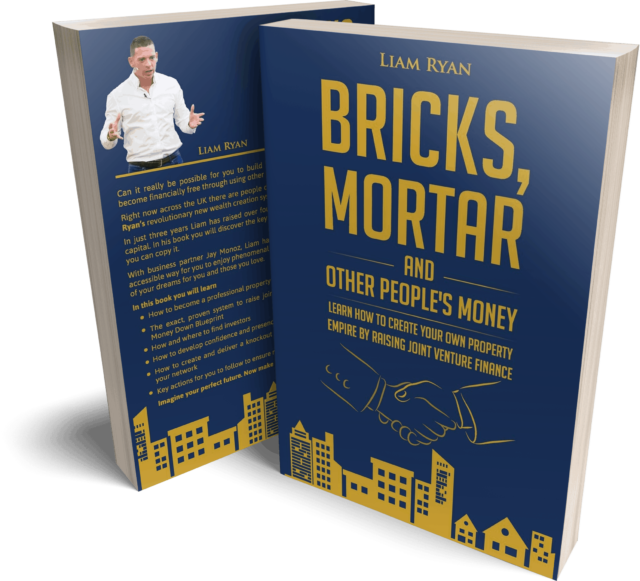
Claim Your Free Copy
Assets For Life LTD is a company incorporated in England and Wales with registered number 09935286 and registered offices at Assets for Life Ltd, Suite 105, Waterhouse Business Centre, 2 Cromar Way, Chelmsford, Essex, England, CM1 2QE, United Kingdom.
Assets For Life LTD is registered with the Information Commissioner’s Office, with registration number ZA280607
COPYRIGHT © 2026 ASSETS FOR LIFE, ALL RIGHTS RESERVED. WEBSITE BY AMPLIFY MARKETING



