Selective Licensing Guide for UK Landlords
A clear and simple selective licensing guide for landlords. Learn rules, costs, real examples, and
Buying your first investment property can be your first step on your journey towards financial independence. It can be exciting and nerve-wracking in equal measure, and there are many potential pitfalls that you should be aware of before taking that first step. I have put together this guide that will give you the knowledge you need to make smart decisions, including location choices, different property types, finance options, and more.
Table of Contents
ToggleThere are several types of property investment you could go for, or a combination thereof. One of the most popular forms of property investment is residential buy-to-let, in which an investor purchases a property to make a profit by renting it out to tenants. Another common strategy is house flipping, aka buy-to-sell, where you purchase a property (ideally for below market value), add value by renovating the property, and then sell for a profit. Some people choose a combination of these with the popular BRRR (Buy, Refurbish, Rent, Refinance) method, which can be rewarding, but is more tricky, especially if you need initial financing.
Another popular strategy for property investment is holiday lets, or short-term lets. Rather than renting a property to tenants who live there all the time, you purchase a property for renting to people on a short-term basis, e.g. For a holiday. You can get much higher rental yields with short-term lets, especially luxury accommodation in popular tourist spots, but the risks are high too, as the running costs are higher, and seasonal demand means lots of void periods.
Commercial property investment can be very lucrative, especially for those with experience in commercial property management and enough capital to invest. It can be tougher to obtain a mortgage for commercial property, and it can be a highly volatile market even for seasoned commercial property investors.
A Real Estate Investment Trust (REIT) is another option, as it gives you the chance to invest in property without a high upfront cost. REITs tend to buy larger properties, such as blocks of flats, using money from multiple investors. This is a good strategy for those with little time, money or experience, although you do not actually own any physical assets, and profits will be smaller.
You have heard the adage ‘location, location, location’ before now – it truly is one of the most important choices you will make as a property investor. Your instinct may be to choose an investment property in your hometown, but consider whether this is the best choice. Some cities and towns are much better than others for investment properties, depending on the type of investment you choose. Property values can vary significantly even within the same town or city – consider all factors like the surrounding neighbourhood, nearby amenities, the local crime rate, environmental factors and more. Who you are hoping to rent to can make a difference to the location you choose – if you want to provide student accommodation, then the property needs to be in a university city and close to the campus, and ideally close to or within the city centre. If you want a holiday let, then choosing a property near to popular tourist attractions, e.g. beaches, is a good idea. Be discerning and weigh up all pros and cons of a location before investing.
.
There are several property types you can choose from as an investment property, from residential family homes to student accommodation, houses of multiple occupancy (HMOs) where you rent each room out to a different tenant, and flats, either individual apartments or a whole block of flats. Again, this will depend on what kind of investment strategy you are opting for and if you rent to tenants, who your target market is. There is often less rental yield on family homes compared to HMOs, but also, less maintenance and management requirements. Take the time to research different types of investment property to discover what suits you.
Whatever property type or investment strategy you choose, one thing they all have in common is the need for capital. Unless you are lucky enough to have enough cash to buy an investment property outright, you will need a mortgage. If you are going for buy-to-let, you will most likely need a deposit of 25% of the property’s value. Most buy-to-let mortgages are interest only, meaning that you only repay the interest on the loan each month, and pay off the principal amount at the end of a mortgage term, usually by selling the property. These types of mortgages have a lower monthly cost, but usually come with higher interest rates.
There are other forms of finance for property investment, such as joint venture funding. A joint venture partnership is where a property developer partners with an investor or a real estate fund. The investor provides the capital, and the developer manages the property, and they both share the profits in a pre-agreed way. This gives budding property investors access to finances without having to invest their own money, although, of course, with a smaller return.
Your own financial situation, risk appetite, other sources of income and financial goals will dictate the financing option that is right for you – consider consulting with a financial adviser to figure out which option is best.
As with all investments, property investment is not without its risks, especially for beginners. Costs are high, and it can take time before you start generating a profit. Consider what you will do if you have a buy-to-let property but struggle to find tenants, or how to avoid losing money on a holiday let during void periods. Also, as a landlord, you will have responsibilities to your tenants and to maintain the property – are you going to do this, or hire someone else? Many landlords choose to use a property management company, but bear in mind that this will eat into your profits. Property investment is also subject to tax obligations, from income tax (or corporation tax, if you invest as a limited company) based on your earnings, Stamp Duty Land Tax (SDLT) when you buy a property, and Capital Gains Tax when you sell a property. All of these things do not mean that you should be put off investing; you should just be aware of them before you part with any cash. Property investment can mean securing a comfortable retirement for yourself, passing on a legacy to your family, or achieving financial independence.
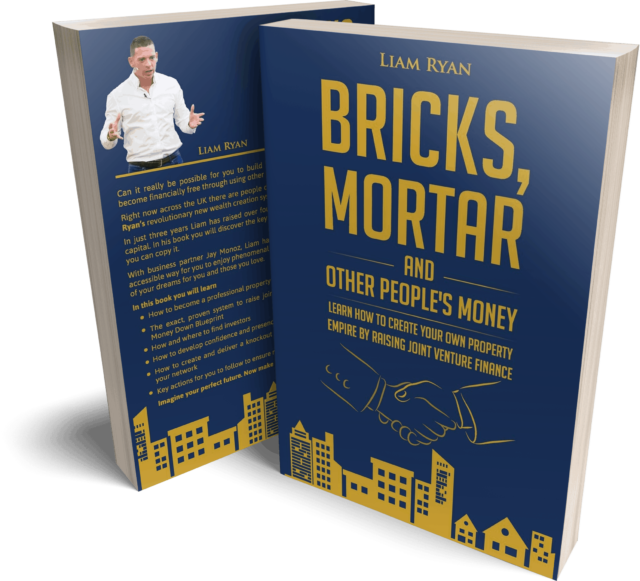
Find out more about property investment by joining me, Liam J Ryan, and other property pros at one of Assets For Life’s FREE property events – click the link below to secure your place today.

You May Also Be Interested In...

Selective Licensing Guide for UK Landlords
A clear and simple selective licensing guide for landlords. Learn rules, costs, real examples, and

Why Are Landlords Selling up in 2026?
Why are landlords selling up in 2026? Discover the real reasons the UK rental market

Rent to Rent HMO Strategy: A Beginner’s Guide
Learn how rent to rent HMO works in the UK. Discover licensing rules, legal requirements
Featured Property Investment Events & Courses
The Property Deal Packaging Summit
The Property Millionaire Bootcamp
The Serviced Accommodation Bootcamp
Assets For Life LTD is a company incorporated in England and Wales with registered number 09935286 and registered offices at Assets for Life Ltd, Suite 105, Waterhouse Business Centre, 2 Cromar Way, Chelmsford, Essex, England, CM1 2QE, United Kingdom.
Assets For Life LTD is registered with the Information Commissioner’s Office, with registration number ZA280607
COPYRIGHT © 2024 ASSETS FOR LIFE, ALL RIGHTS RESERVED. WEBSITE BY AMPLIFY MARKETING