Discover the best UK cities to invest in property in 2026, with strong rental demand, high yields, regeneration and growth potential.
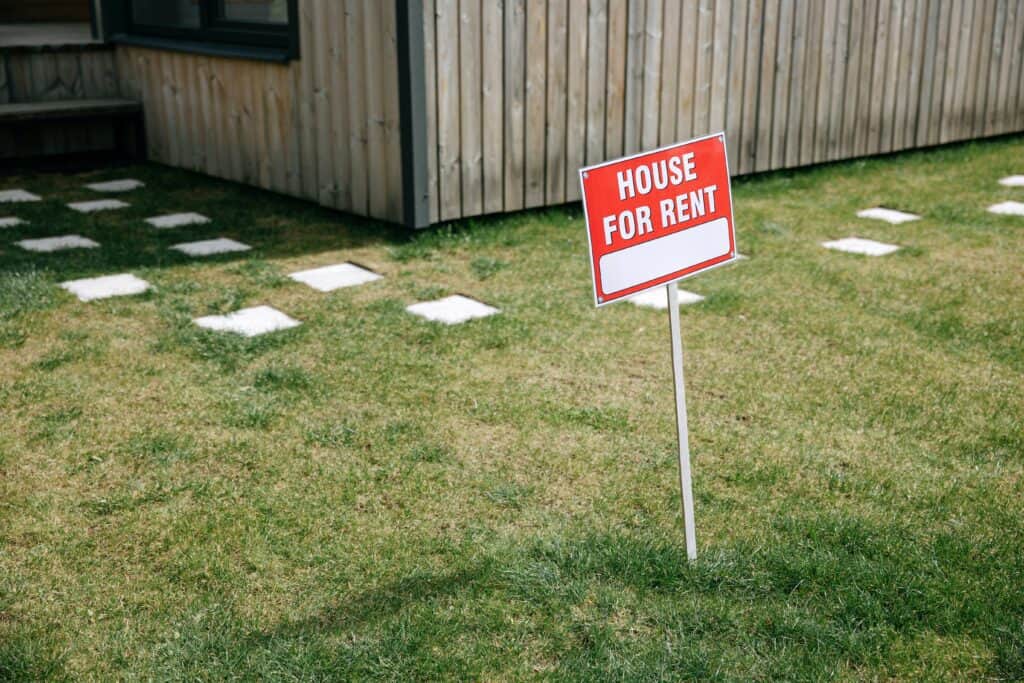
Read MoreInvesting in property is one of the best ways to secure your financial future and among the many options available, short-term rental properties have become increasingly popular in recent years. With platforms like Airbnb, it’s now easier than ever to rent out your property for a few nights or weeks to travellers looking for a comfortable place to stay. But before you jump on the short-term rental bandwagon, it’s important to weigh the pros and cons, so you can make an informed decision. In this blog post, we’ll explore the benefits and drawbacks of investing in short-term rental properties.
Table of Contents
Toggle
One of the most significant advantages of owning a short-term rental property is that it can generate a higher rental income compared to long-term rentals. Short-term rentals can be priced significantly higher per night, and with platforms like Airbnb, you can rent out your property for as many days as possible, depending on your availability. This means you have the potential to earn a lot more money than with a traditional rental property.
Short-term rentals allow for greater flexibility. While long-term rentals require a contract for a certain period, short-term rentals allow you to be more agile and adaptable to market changes, events, or personal usage. Short-term rentals give you more control over your property’s income and maintenance, and you can make strategic decisions based on your occupancy rates, pricing, and competition in the area.
Owning a short-term rental property requires more work and effort compared to a long-term rental property. With short-term rentals, you need to manage bookings, cleaning, and maintenance more often. You also need to provide amenities, such as towels, linens, and toiletries. Additionally, you need to ensure compliance with local regulations, such as taxes, permits, safety, and health standards. Therefore, owning a short-term rental property requires more involvement and responsibility.
Short-term rentals tend to have varying levels of demand throughout the year, with high seasons and low seasons. This means the income you earn can be volatile and unpredictable, which can be risky if you rely on your rental property as your main source of income. Additionally, seasonal demand can lead to overbookings and cancellations, which may result in lost revenue and reputation damage. As such, it’s important to have a solid plan to manage seasonal demand and mitigate risks.
The short-term rental industry is growing rapidly, which means that competition is getting tougher, especially in popular tourist destinations. Moreover, local authorities are increasingly regulating short-term rentals, which means you need to be aware of any restrictions, taxes, or fines that may apply in your area. For example, some cities require permits or a specific number of nights per year, while others may ban certain types of rentals altogether.
Investing in short-term rental properties has both advantages and drawbacks, and whether it’s worth it, depends on your goals, experience, and risk tolerance. If you’re willing to put in the work, short-term rentals can offer higher income potential, more flexibility, and greater control over your property. However, with higher income comes more work and responsibility, and with seasonal demand comes risk and competition. Therefore, it’s important to weigh your options carefully and seek professional guidance before making a decision. Ultimately, the key to success in short-term rental properties is to know your market, your duties, your guests, and your policies.
Get a FREE copy of our co-founder Liam J Ryan’s Amazon best selling book here.
Discover the best UK cities to invest in property in 2026, with strong rental demand, high yields, regeneration and growth potential.
Read MoreThinking of selling your buy-to-let? Learn how to time the market, manage tax and maximise equity with expert landlord advice.

Read MoreDiscover UK planning permission loopholes, permitted development rights and when you can extend, convert or renovate without consent.
Read MoreLearn what the Bank of England base rate is, how it’s set, and how changes can impact buy-to-let mortgages and property investors.
Read More
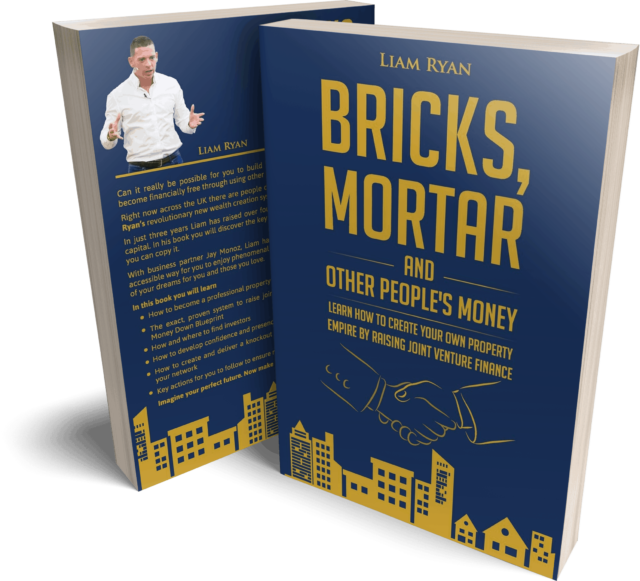
Claim Your Free Copy
Assets For Life LTD is a company incorporated in England and Wales with registered number 09935286 and registered offices at Assets for Life Ltd, Suite 105, Waterhouse Business Centre, 2 Cromar Way, Chelmsford, Essex, England, CM1 2QE, United Kingdom.
Assets For Life LTD is registered with the Information Commissioner’s Office, with registration number ZA280607
COPYRIGHT © 2024 ASSETS FOR LIFE, ALL RIGHTS RESERVED. WEBSITE BY AMPLIFY MARKETING